

When choosing materials for high-performance CNC machined parts, titanium and steel are two of the most frequently compared metals. Titanium offers an exceptional strength-to-weight ratio and superior corrosion resistance, while steel provides high absolute strength, affordability, and versatility across countless applications.
Engineers often ask: Is titanium stronger than steel? Which one machines better? When does the higher cost of titanium justify its benefits? The answer depends on your part’s requirements for weight, durability, environment, and budget.
This comprehensive guide compares titanium (focusing on popular Grade 5 Ti-6Al-4V) with common steels — including stainless steel 304 and carbon steel — across mechanical properties, machinability, real-world uses, and total cost to help you make the right choice for CNC projects.
Appearance and Surface Characteristics
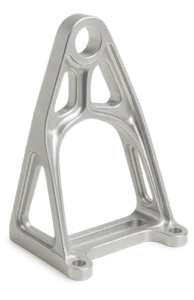
Titanium typically has a silver-gray matte finish due to its natural oxide layer, which provides inherent corrosion protection and a subtle glow when anodized. It maintains its appearance even in harsh environments without tarnishing.
Steel, particularly polished stainless steel, offers a bright, mirror-like shine that many find aesthetically appealing. However, carbon steel can rust over time unless coated or protected, altering its look.
For visible or decorative CNC parts, titanium’s lightweight aesthetic and long-term stability often win in premium applications like sports equipment or medical devices, while stainless steel suits polished industrial or architectural components.
Mechanical Properties Comparison
Titanium and steel differ significantly in how they perform under load:
- Tensile Strength: Ti-6Al-4V reaches 900–1100 MPa, competitive with many steels. High-strength tool steels can exceed 2000 MPa, but standard stainless (304) is lower at 480–720 MPa.
- Yield Strength: Titanium Grade 5 offers 800–900 MPa, far surpassing 304 stainless (170–310 MPa) but comparable or lower than some carbon steels.
- Strength-to-Weight Ratio: Titanium excels here. With a density of ~4.5 g/cm³ (about half that of steel at 7.8–8.0 g/cm³), it delivers superior specific strength for weight-critical designs.
- Hardness and Stiffness: Steel is generally harder and stiffer (higher Young’s Modulus ~190–210 GPa vs. titanium’s 110–120 GPa), making it more wear-resistant and suitable for rigid structures. Titanium provides better flexibility and vibration damping.
- Ductility: Stainless steel often shows higher elongation (40–50%), while titanium is more brittle in some conditions (10–15%).
Pro Tip: For parts where reducing weight without sacrificing strength is critical — such as aerospace or racing components — titanium’s strength-to-weight advantage is unmatched.
Here’s a practical comparison table:
| Property | Titanium (Ti-6Al-4V) | Stainless Steel (304) | Carbon Steel (AISI 1045) |
| Tensile Strength (MPa) | 900–1100 | 480–720 | 585–700 |
| Yield Strength (MPa) | 800–900 | 170–310 | 450–530 |
| Density (g/cm³) | 4.43–4.51 | 7.93–7.98 | 7.85 |
| Young’s Modulus (GPa) | 110–120 | 190–210 | 190–210 |
| Hardness (Brinell) | ~330 | ~180 | ~200 |
Corrosion Resistance
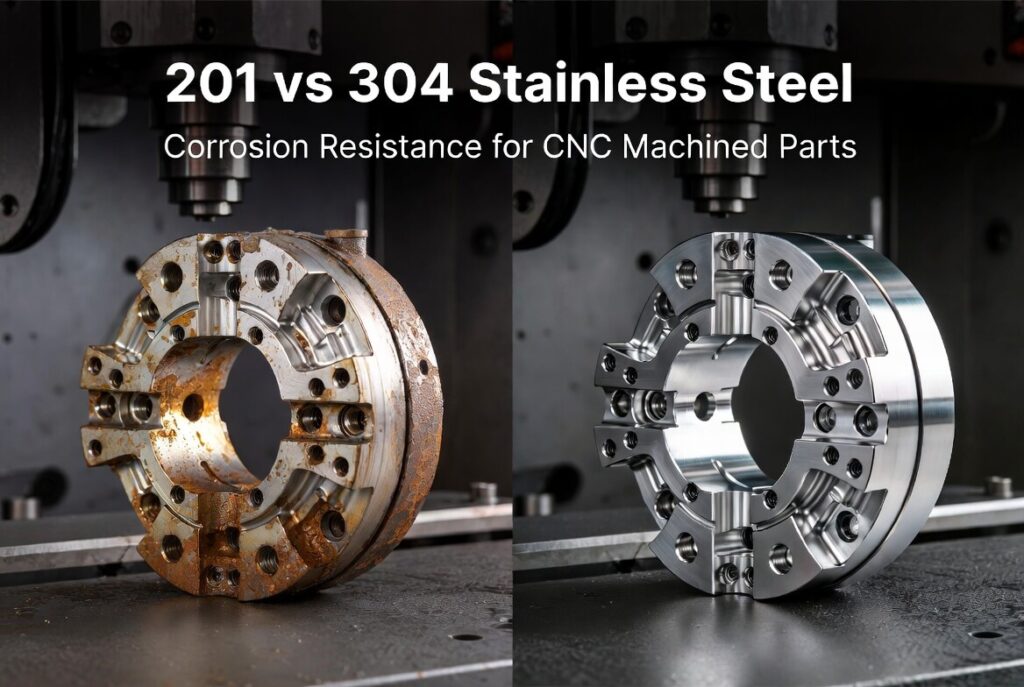
Titanium forms a stable, self-healing oxide layer that delivers outstanding corrosion resistance, even in saltwater, acids, and harsh chemicals. It is virtually immune to pitting and crevice corrosion in marine environments.
Stainless steel (especially 316) offers excellent corrosion resistance in many settings, but it can suffer pitting in chlorides or aggressive acids. Carbon steel rusts easily without protective coatings.
For CNC parts exposed to marine, chemical, or biomedical environments, titanium is often the superior long-term choice despite higher upfront cost.
Thermal Properties Comparison
- Melting Point: Titanium (~1668°C) handles higher temperatures than most steels (1370–1510°C).
- Thermal Conductivity: Titanium is a poor conductor (6.7–22 W/m·K) compared to carbon steel (~50 W/m·K) or stainless (~16 W/m·K). This helps retain heat in some applications but causes challenges during machining as heat builds up at the tool tip.
- Thermal Expansion: Titanium has a lower coefficient, improving dimensional stability under temperature changes.
Titanium suits heat-retention or high-temperature CNC components, while steel performs better in heat exchangers needing efficient transfer.
Machinability for CNC Operations
This is one of the biggest practical differences in CNC shops:
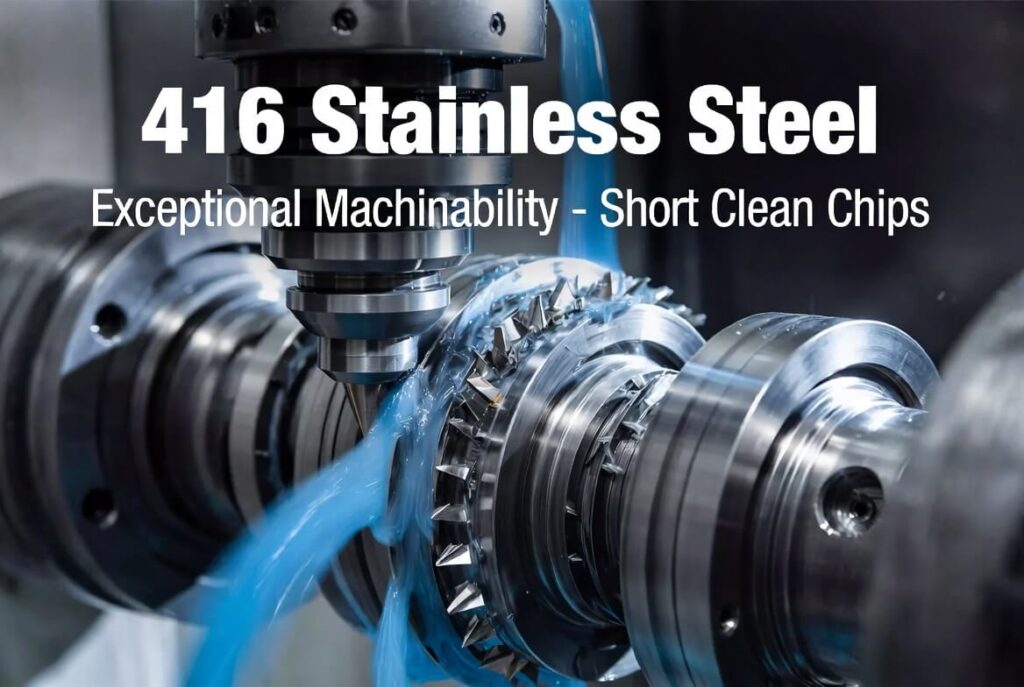
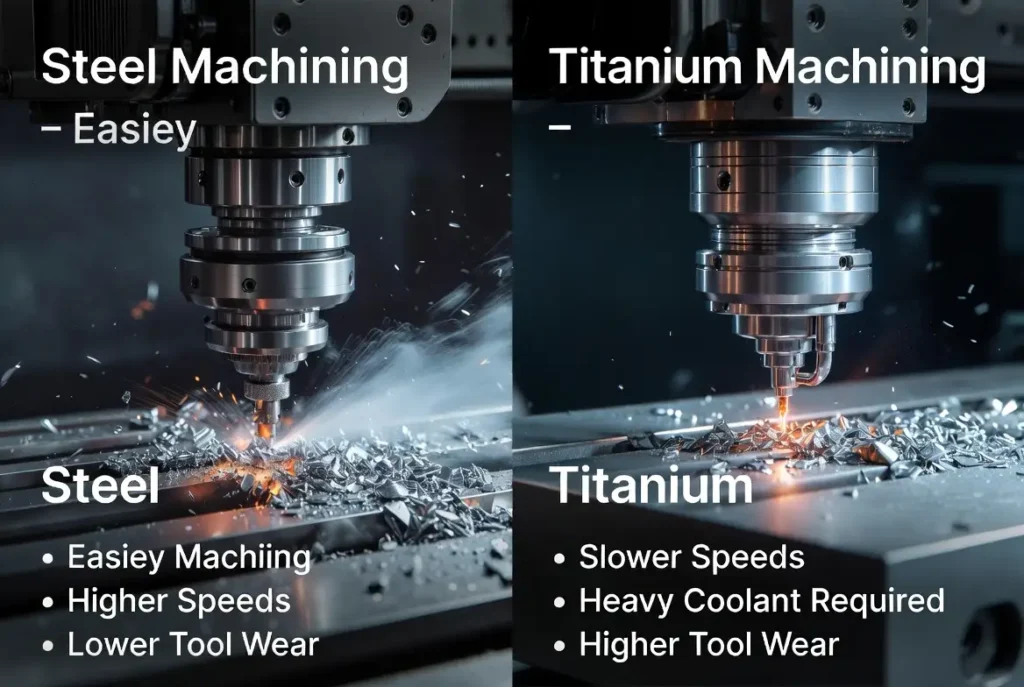
- Titanium: Challenging to machine. Low thermal conductivity causes heat concentration, leading to rapid tool wear, work hardening, and the need for sharp carbide tools, low speeds, high feeds, and generous coolant. Rigid setups and experienced programming are essential. It produces short chips but demands careful parameter control.
- Steel: Generally easier. Stainless steel can work-harden, while carbon steel machines more readily. Both allow higher speeds and feeds with standard tooling, resulting in lower tool costs and faster cycle times compared to titanium.
Important Note: Titanium machining often costs 3–5× more than stainless steel due to slower speeds, higher tool consumption, and longer cycle times. Free-machining additives or specialized grades can help, but titanium remains more demanding.
Common Applications in CNC Machining
Choose Titanium when you need:
- Maximum strength-to-weight ratio (aerospace frames, drone parts, racing components)
- Superior corrosion resistance (marine hardware, chemical processing, medical implants)
- Biocompatibility and non-magnetic properties (surgical tools, implants)
- High-temperature performance (jet engine parts, exhaust systems)
Choose Steel when you need:
- High absolute strength and rigidity at lower cost (structural frames, tooling, heavy machinery)
- Good wear resistance and impact toughness (gears, shafts, molds)
- Ease of welding and fabrication (construction, automotive)
- Budget-friendly high-volume production
Many manufacturers default to stainless or carbon steel for general industrial parts and reserve titanium for performance-critical applications.
Cost Considerations
Titanium is significantly more expensive — raw material and machining costs can be 3–10× higher than steel, depending on the grade. However, its lighter weight can reduce overall system costs in weight-sensitive designs (e.g., fuel savings in aerospace). Steel offers better value for most general-purpose or high-volume CNC projects.
Always calculate total cost of ownership, including machining time, tool life, part weight, and service life.
How to Choose Between Titanium and Steel for Your CNC Project
- Weight critical?→ Titanium.
- Corrosion or biomedical exposure?→ Titanium.
- Budget or high-volume production?→ Steel.
- Maximum absolute strength or rigidity?→ Steel (especially alloy/tool steels).
- High-temperature or thermal management needs?→ Evaluate both based on conductivity vs. retention.
Consult with your CNC machining partner early for Design for Manufacturability (DFM) advice tailored to the chosen material.
Ready to machine your titanium or steel parts with precision and efficiency? Our expert CNC team specializes in challenging materials like titanium and various steel grades. We provide material recommendations, optimized DFM feedback, tight-tolerance prototyping, and scalable production. Contact us today for a free quote, technical consultation, or help selecting the best material for your project. Achieve superior performance while managing costs effectively.
FAQ
Is titanium stronger than steel?
Titanium alloys like Ti-6Al-4V have comparable or higher tensile strength than many steels, but steel can achieve higher absolute strength in certain high-carbon or tool grades. Titanium wins on strength-to-weight ratio.
Which is lighter — titanium or steel?
Titanium is approximately 45% lighter (density ~4.5 g/cm³ vs. ~7.8–8.0 g/cm³ for steel), making it ideal for weight-sensitive applications.
Is titanium harder to machine than steel?
Yes. Titanium’s poor thermal conductivity and work-hardening make it more challenging, leading to faster tool wear and slower speeds compared to most steels.
Which has better corrosion resistance?
Titanium offers superior, nearly immune corrosion resistance in most environments, outperforming even high-grade stainless steel in chlorides and acids.
When should I choose titanium over steel for CNC parts?
Choose titanium for aerospace, medical, marine, or performance applications where low weight, corrosion resistance, or biocompatibility is essential and budget allows.
Does titanium cost more than steel?
Yes — both material and CNC machining costs are significantly higher for titanium, often 3–5 times or more than stainless steel.
Is titanium magnetic?
No, titanium is non-magnetic, unlike many carbon steels and some stainless grades.